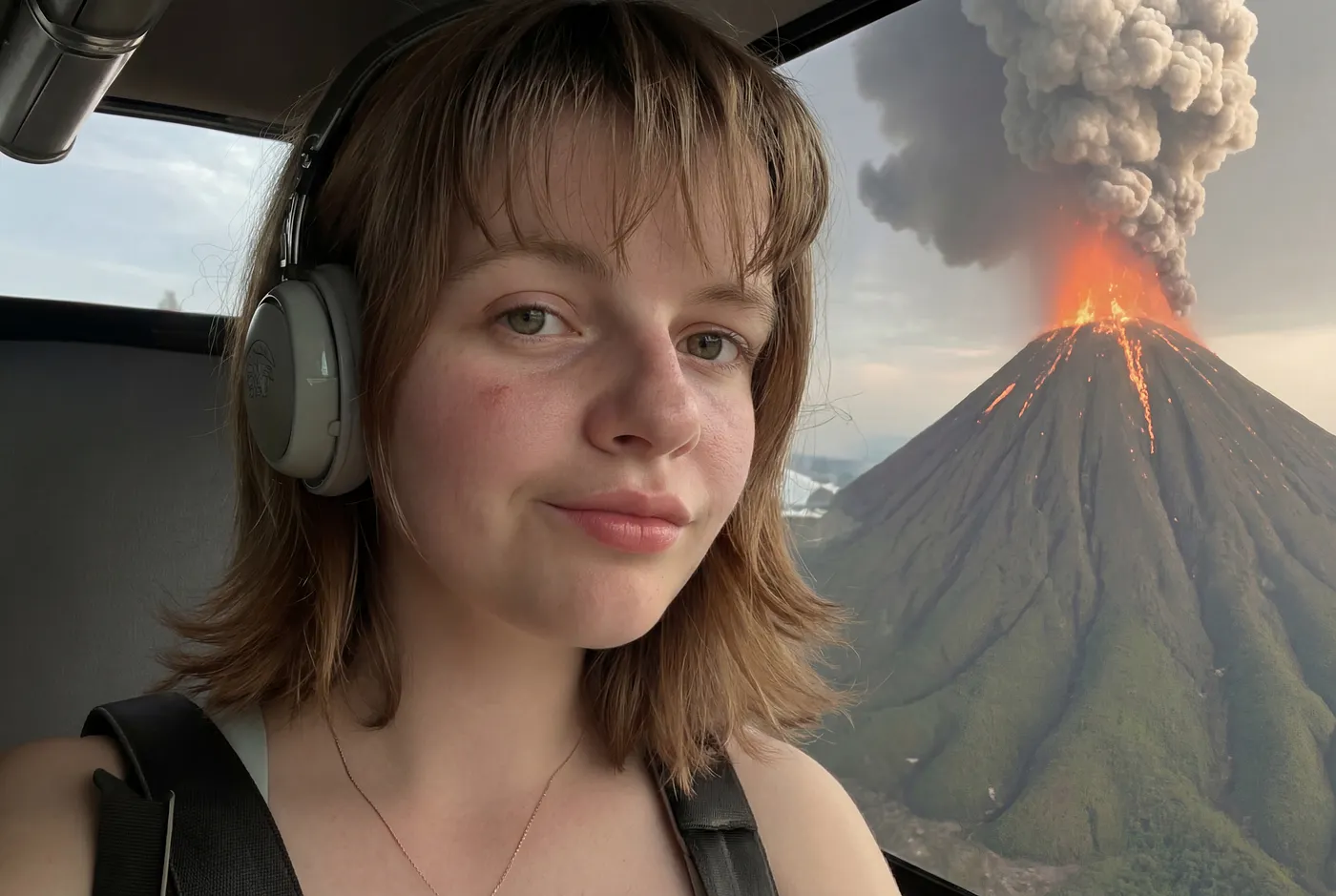
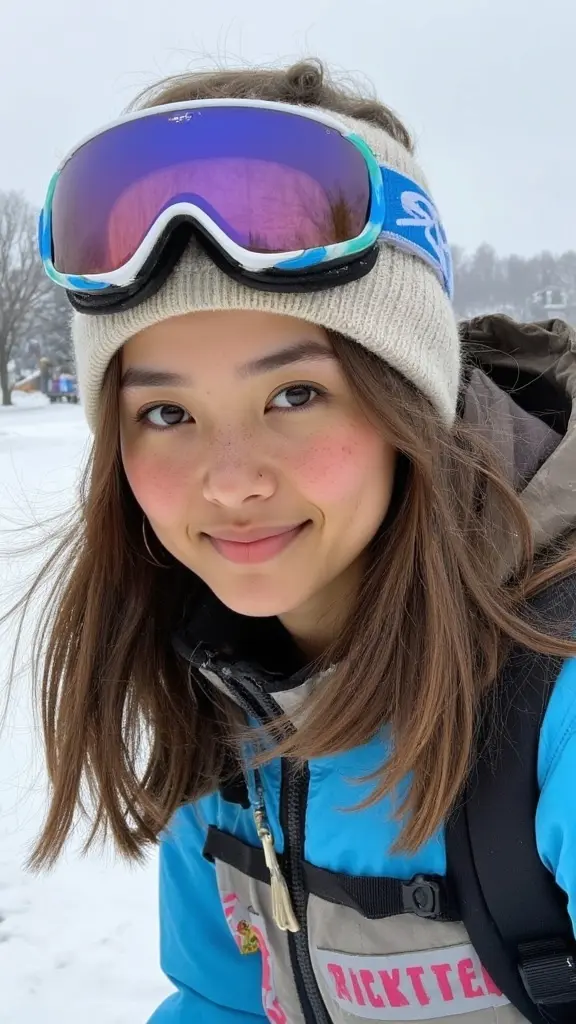
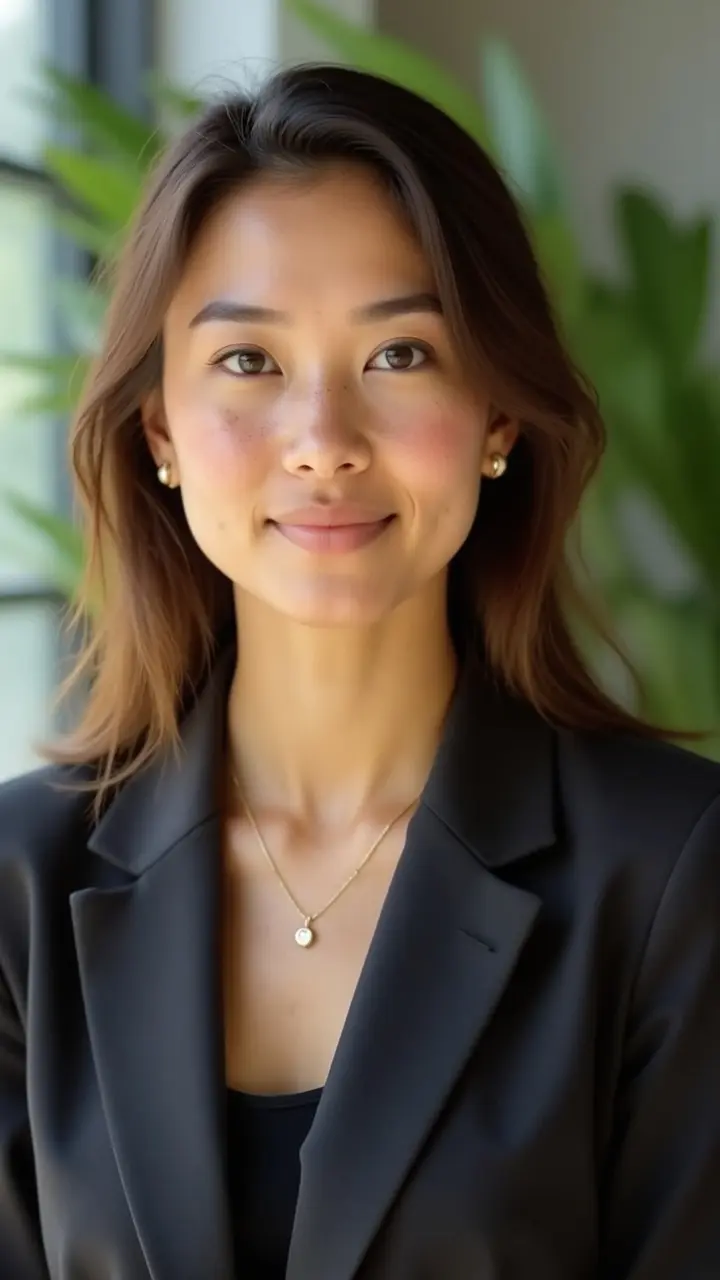
The AI curve keeps rising. The hype comes and goes. But one thing does not change: people still need to present themselves professionally.
We still need a good photo.
For LinkedIn, for a CV, for trust.
Back in 2024, AI photography started to feel promising. It offered a way to finally replace that old selfie we all kept using. But the tools were young. Likeness was weak, skin looked artificial, and results often felt more like illustrations than real photographs.
In 2025, things improved. New models such as Flux brought better structure and better identity preservation. Faces started to resemble real people again. Still, something was missing. Many results looked slightly off. Too smooth. Too clean. Too artificial. Often, the quality depended heavily on the input images. If the photos were not good, the output wasn’t either.
And that leads us to 2026.
The real evolution is not a single new model. It is a change in workflow.
For the first time, we can combine two generations of AI in a meaningful way. One generates identity. The other refines it.
Editing models alone are impressive, but they depend entirely on what you give them. If the lighting is wrong or the expression is awkward, they can only polish the mistake. They enhance, but they do not rebuild.
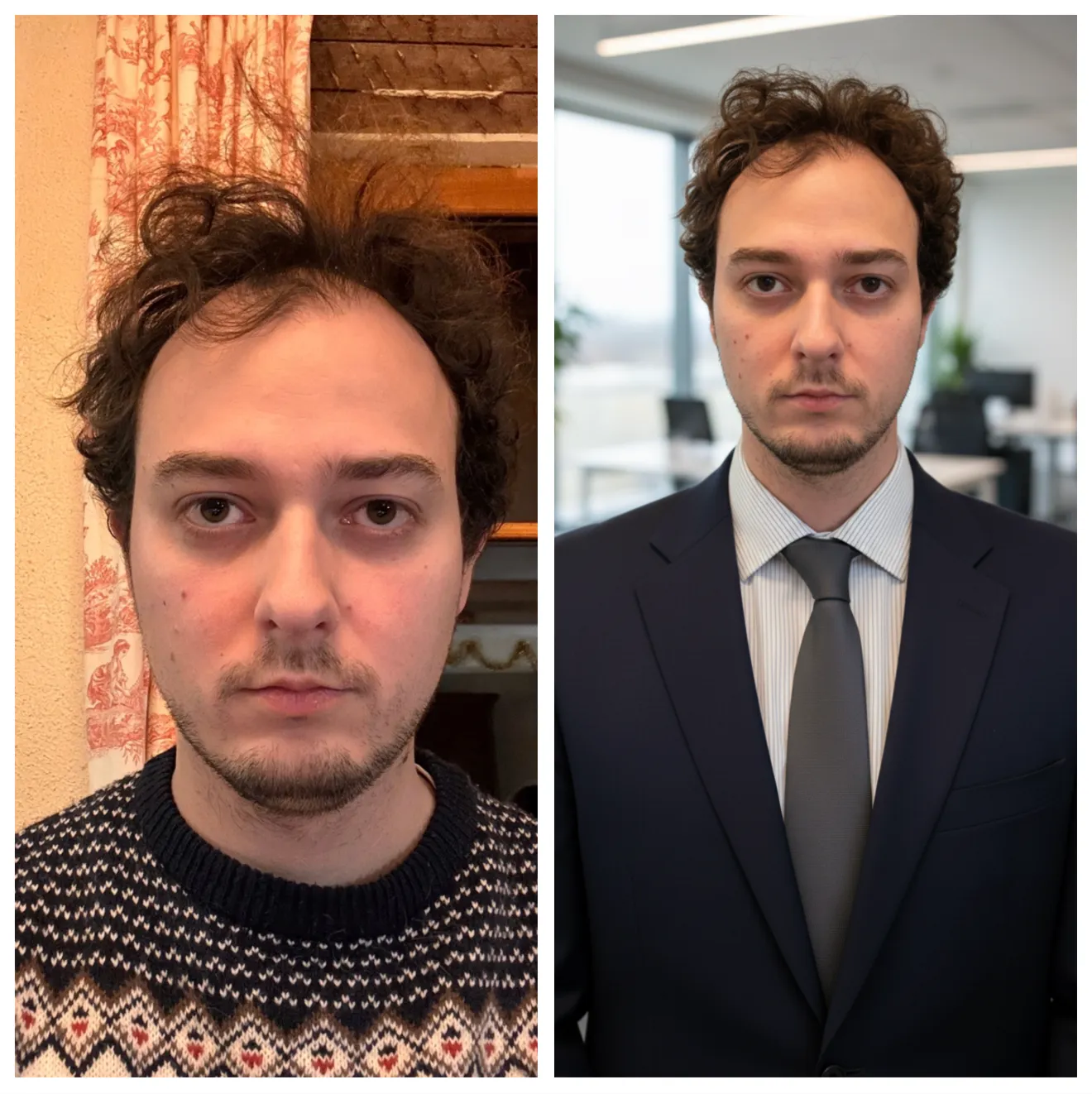
On the other side, generation models can create strong identity and structure. They understand facial proportions, posture, and composition. But they often struggle with realism. Skin can look artificial. Small imperfections disappear. Faces become slightly unreal.
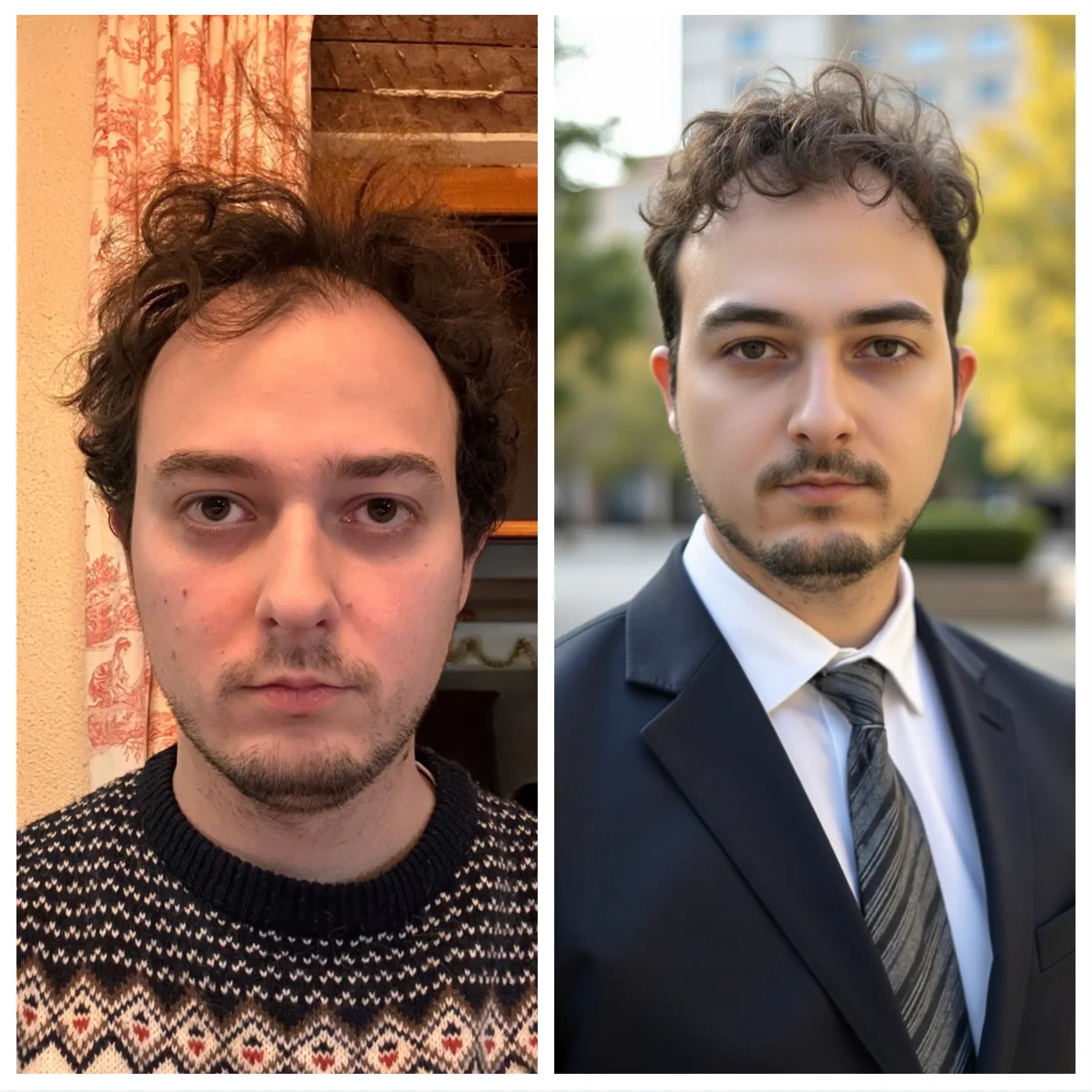
When these two approaches are combined, something changes.
You start by generating a solid base using a trained identity model. This gives structure, coherence, and likeness. Then you refine it using modern editing models. You adjust lighting, improve skin texture, correct small details, and upscale the final image to high resolution.
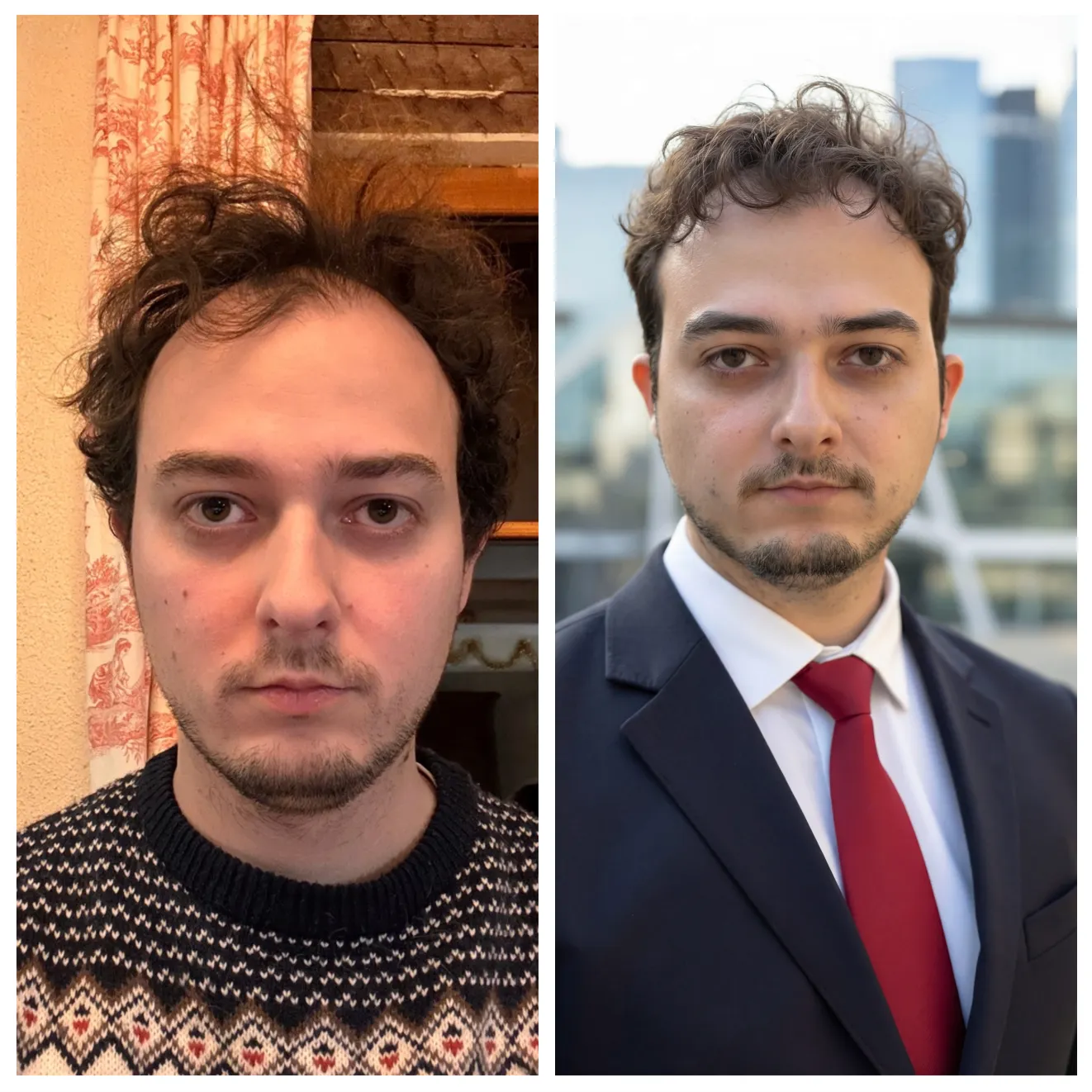
This is exactly how real photography works. You shoot. You select. You retouch. You deliver.
And that is when the results start to feel real.
How does it work?
- The process starts by training a virtual version of yourself using around 10 to 15 photos. Just like in 2025, this step allows the system to understand your face and recreate you in different environments, lighting conditions, and poses.
- Once this base is created, you can generate images that already look close to what you want. From there, the work becomes more precise.
- You can open a generated image and refine it.
- Change the color of your clothes.
- Adjust the background.
- Slightly modify your hairstyle or expression.
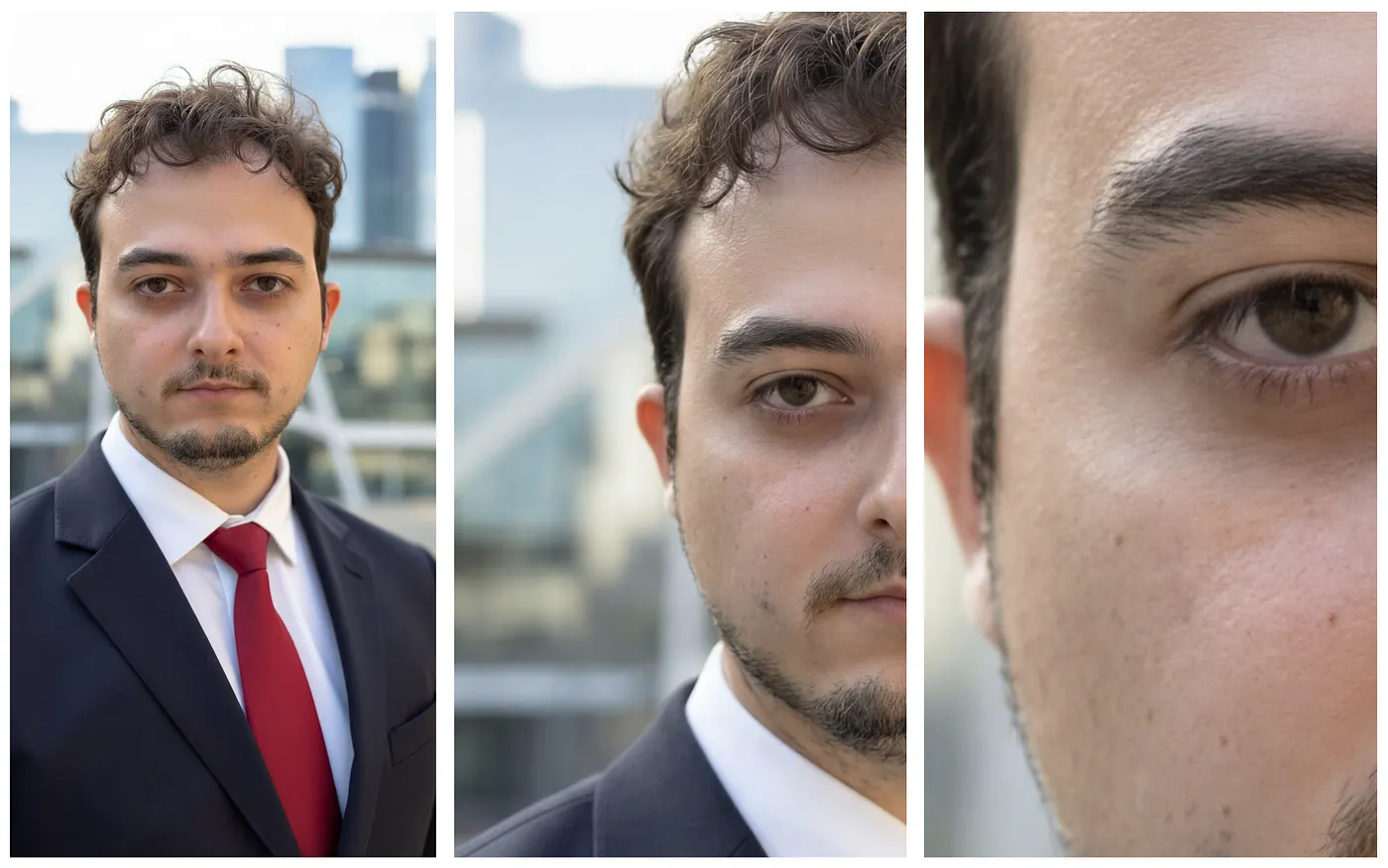
- If the result still feels a bit artificial, you can use a face enhancement step to bring back natural skin texture and micro-details. You can also correct makeup, soften or add freckles, and rebalance small facial elements without altering your identity.
- Finally, the image can be rendered in high resolution, up to 16MP. At this stage, the result is no different from what you would expect from a professional photographer.
How to choose the right tool in 2026
Most tools don’t clearly explain how they work. Their workflows and models are usually kept secret, and it’s hard to know what really happens behind the scenes.
A good indicator is detail quality.
If a tool offers:
— realistic skin rendering
— proper face refinement
— high-quality upscaling
— and advanced editing capabilities
then it’s likely using a modern, multi-step workflow rather than a single outdated model.
In terms of pricing, tools like ChatGPT or Gemini can be used for free, but with clear limitations, especially when it comes to identity consistency and realism.
Many products ranking high on Google today still rely on older generation models such as Flux alone. They usually cost between $20 and $50, and most of them do not allow retraining if the first result isn’t good.
What few people know is that, in the industry, training a model typically costs between $2 and $4, and each generated image between $0.05 and $0.50.
At Photographe.ai, we decided to include at least two training sessions in every plan, starting at $19, so users can iterate instead of being locked into a single attempt.
The simplest way to understand the difference is to try it yourself. Photographe.ai remains more affordable than most alternatives, while offering access to the full workflow.
And the most important of all when making headshots: make it yours!